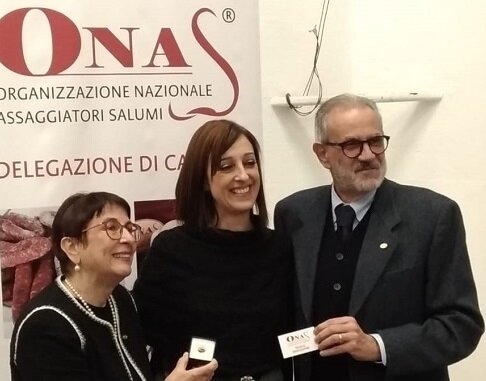
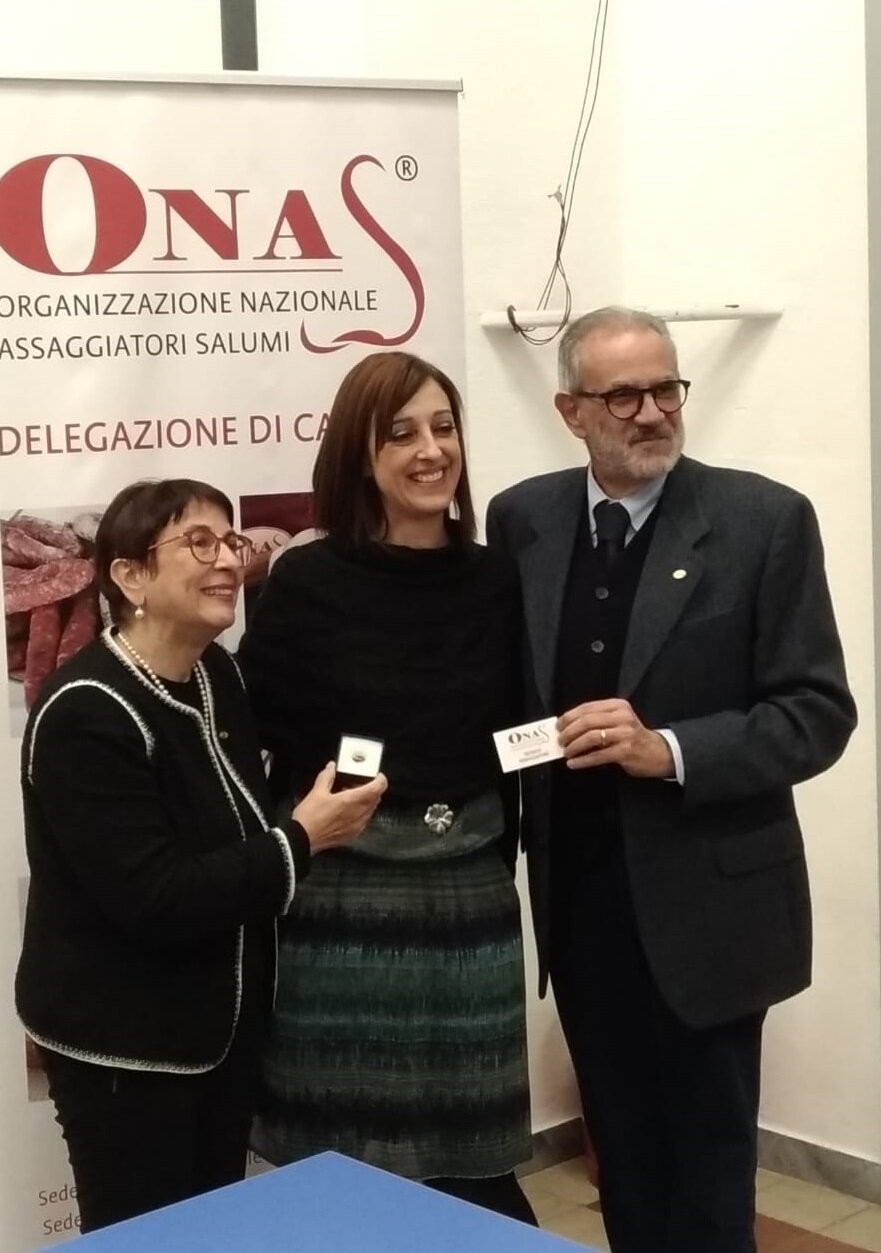
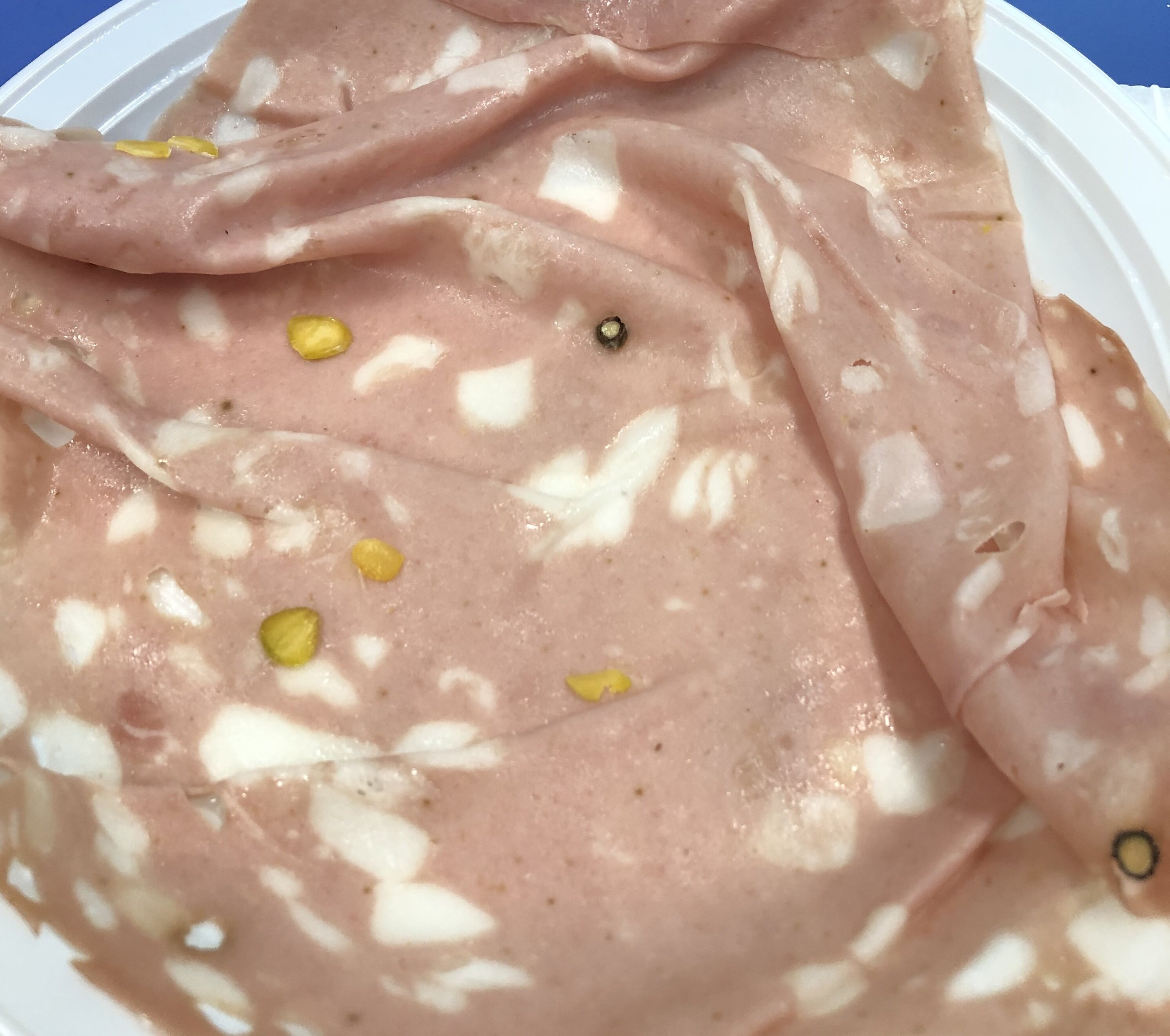
A month ago, I had the opportunity to embark on an interesting educational and learning journey: the course of study to become a master taster of cured meats. After a brief reflection, I decided to start this new adventure to deepen and consolidate my knowledge of cured meat products, not only with reference to Sardinia but to the entire national and international territory. This way, I will be able to tell tourists more knowledgeably about the taste and organoleptic characteristics of our cured meats and all the stages of production that must be respected to obtain quality products. The course is promoted by the O.N.A.S. (National Organization of Cured Meat Tasters), which was established in Cuneo in 1999 and aims to train Cured Meat Tasting Technicians. The training program is divided into 2 levels. The first level is divided into 3 modules: 1st module: involves learning general notions and practicing tasting techniques. At the end of this first module, you obtain the license of Cured Meat Tasting Technician. 2nd module: deals in detail with raw cured meat products. 3rd module: deals in detail with cooked cured meat products. After completing the 3 first-level modules, you can access the second level to become a Master Cured Meat Taster. At the end of each module, there is an exam that, if passed successfully, allows access to the next module or level. One of the first concepts learned is the distinction between whole piece cured meats and ground cured meats. Each of these two macro categories includes both raw and cooked cured meats, which in turn can be smoked or not smoked. The training takes place exclusively on weekends, so I have willingly given up and will continue to give up my well-deserved weekly rest to devote myself to this new passion, which will go alongside my passion for the world of wines and cheeses. During the first module, held on Saturday 12 and Sunday 13 January, we covered general topics such as the classification of cured meats, the differences between various pig breeds and their characteristics, details on the breeding phases, and the principles of tasting. During the module held on Saturday 23 and Sunday 24 February, we focused on spices, cooked cured meats and their characteristics, such as cooked ham and mortadella. While on the weekend of March 9 and 10, we will dedicate ourselves to wurstel, zampone, cotechino, and other cooked cured meats typical of Italian regions. Many concepts have been learned after 4 days of training, but the most fascinating part is undoubtedly the tasting, which first involves a visual examination of the whole cured meat (when possible) and then of the slice. Before the start of the course, I had never spent much time looking at a slice of salami or mortadella, because the priority was to eat it eagerly, perhaps accompanied by a good glass of wine. Now I am beginning to understand that visual analysis can already tell us some of the qualitative characteristics of the cured meat we are tasting. After the first phase, you move on to the olfactory examination to try to identify the main odors and their intensity. And finally, you reach the taste/olfactory examination, during which you identify the flavors and aromas perceived and their persistence in our mouth. You then have to express a judgment on the consistency and chewability of the cured meat and, to conclude, an overall judgment. At the moment, I have only passed the first step of this journey, obtaining the license of Tasting Technician; but the road to becoming a Master Taster is still long and difficult, and requires not only a lot of study but also many tastings. I will keep you updated on my educational and tasting journey.
https://www.onasitalia.org
.png "10 cibi sardi da assaggiare assolutamente a Cagliari")
.png "10 Sardinian Foods You Must Try in Cagliari")
.jpeg "San Benedetto Market Cagliari: The Complete Guide to Sardinia's Most Authentic Food Experience (2026)")