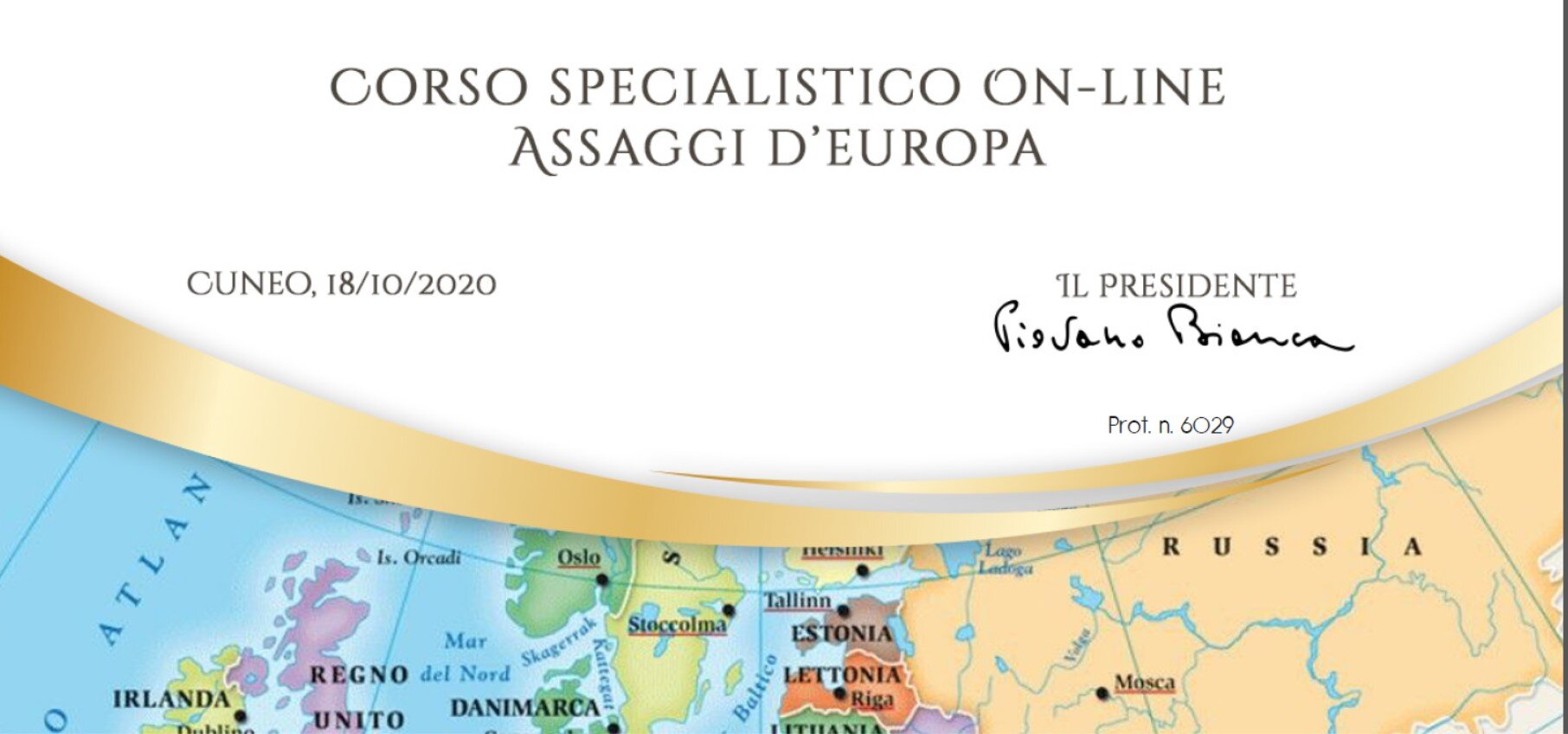
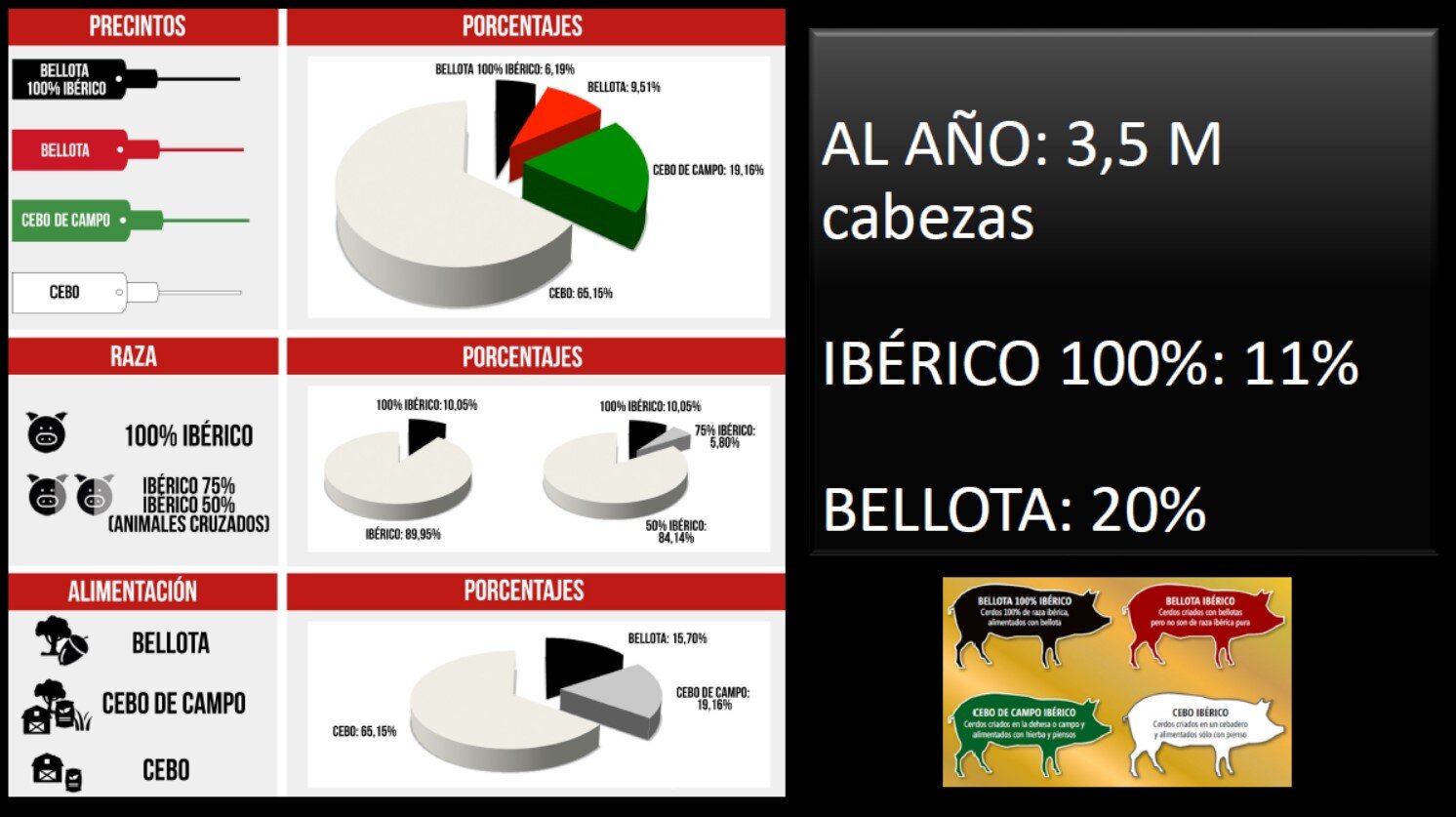
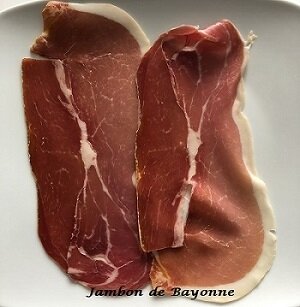
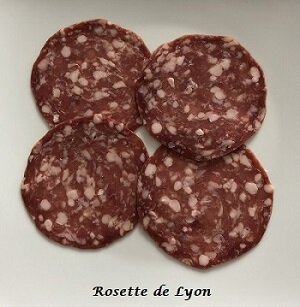
Sunday, October 18th marked the end of the second of two intense weekends dedicated to the course organized by ONAS (National Organization of Cured Meats Tasters) focusing on European cured meats. Despite being held online, the course was engaging and participatory, allowing us to discover some interesting production realities and to take a fascinating journey, through the sense of taste, across the old continent. The cured meats we tasted (a total of 10 different types), under the expert guidance of Dr. Bianca Piovano, president of the association, had been sent to our homes by courier in the days leading up to the course, so all 80 participants were able to taste the following specialties at the same time: Jamon Curado de Leon, Lomo, Cecina de Leon (Spain); Istrian Prosciutto, Istrian Salami Kosnica (Croatia); Black Forest Ham (Germany); Tiroler Speck (Austria); Jambon de Bayonne, Rosette de Lyon, Bacon Fumé (France). Almost 20 speakers took part in the course, representing various European countries and different categories (producers, breeders, consortium presidents, veterinarians, teachers, technicians, and experts), whose interesting presentations were made accessible to all participants thanks to the simultaneous translation service. There was discussion about native Spanish pig breeds, such as the Iberian, and the products obtained from processing their meat, including the famous Jamon Iberico PDO. Basically, to be sure you are buying an excellent Iberian ham, you need to check if the product is marked with a BLACK LABEL (Jamon Iberico Bellota, considered the highest quality product because it comes from 100% Iberian breed pigs raised on a natural diet based on acorns, called Bellota); RED (ham obtained from Iberian breed pigs NOT 100% pure and raised on a diet that does not exclusively include acorns); GREEN or WHITE (ham obtained from non-pure Iberian breed pigs and raised on feed). In addition to the famous jamon, of which there are several denominations, there are other interesting cured meats from the Iberian Peninsula, especially from Catalonia.
In Portugal, on the other hand, they managed to save the native Bisara breed (characteristic of a northern Portuguese region bordering Spanish Galicia), which was at risk of disappearing and in 2008 was awarded the European PDO protection mark for its meat (Carne de Porco Trasmontano PDO). With this pig breed, excellent cured meats are produced (7 of which can boast the PGI mark). The native French breed Noire de Bigorre, originating from the Hautes-Pyrénées region, also seriously risked disappearing in the first half of the last century (right after World War II), like the Portuguese breed. Among its characteristics, the Black Bigorre pig has a significant percentage of fat (of excellent quality) rather than "lean meat," and thus was unable to meet the nutritional needs of the population in the immediate postwar period. In farms, it was therefore replaced by more productive European breeds. Today it has been recovered, and thanks to the intense activity of the consortium and other institutions created for its protection and for marketing purposes, excellent cured meats can be obtained, especially the Jambon Noir de Bigorre, which has had PDO recognition since 2017.
Great Britain also boasts some truly interesting pork specialties, from the famous “Sausages,” which are eaten grilled, fried, or boiled and come in more than 15 types, to the famous bacon, and finally to black and white pudding, meatloaves made with meat, flour, spices, and pig's blood (for the Black type). During our journey, we then moved to the heart of the Alps, where the story of the recovery of a local native breed (the black of the Alps) gave us the opportunity to talk about Austrian and Swiss products. The journey then ended in Hungary, passing through Croatia (where mainly beef-based cured meats are produced, probably for religious reasons), where the famous Mangalitsa breed is raised (these pigs have long hair and real curls) from which excellent quality cured meats are obtained. Thanks to excellent organization, which required months of work by the association, we were able to travel with our senses while comfortably seated on our sofa.
.png "10 cibi sardi da assaggiare assolutamente a Cagliari")
.png "10 Sardinian Foods You Must Try in Cagliari")
.jpeg "San Benedetto Market Cagliari: The Complete Guide to Sardinia's Most Authentic Food Experience (2026)")