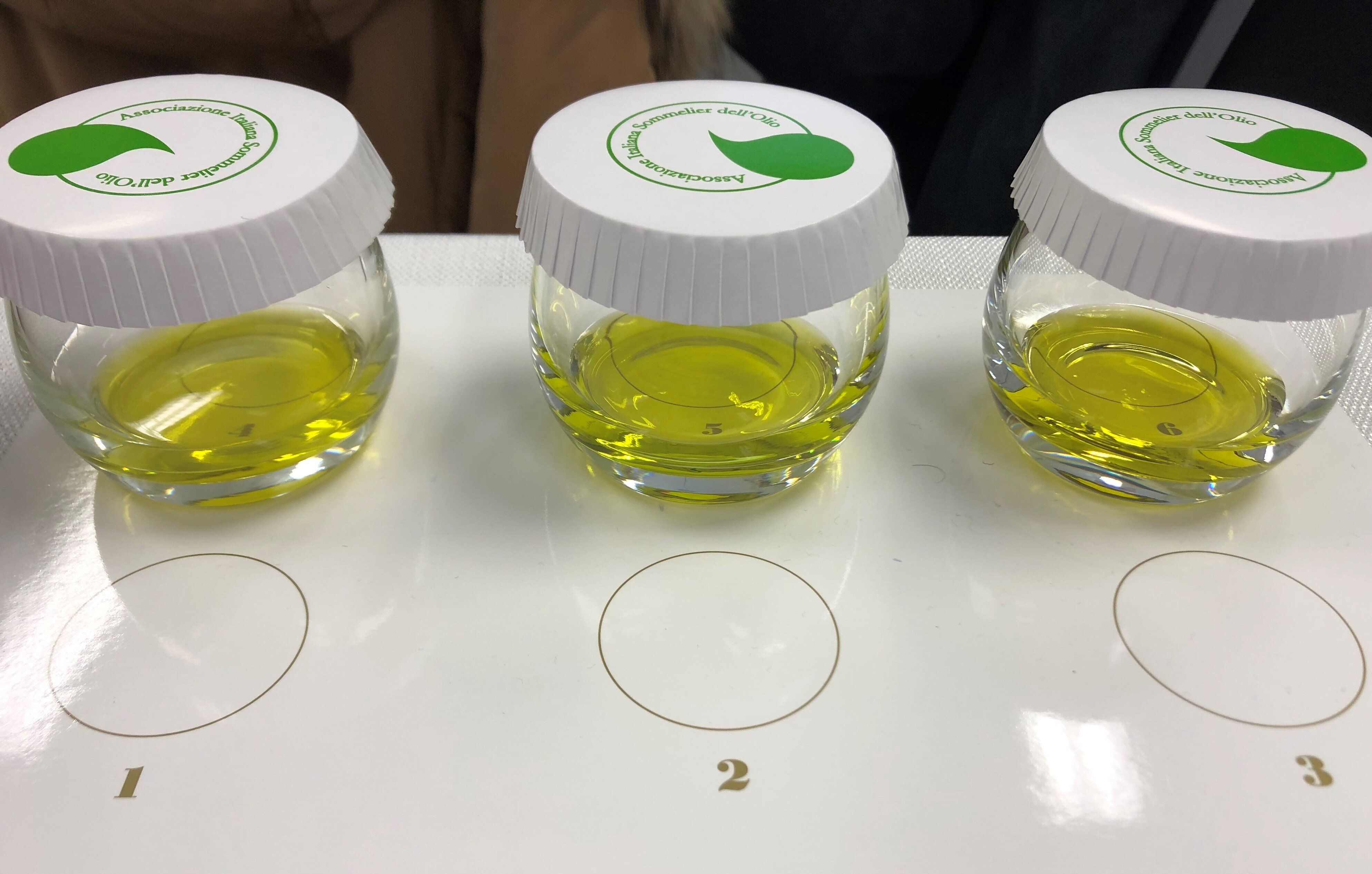
In Sardinia, the ancient origins of olive tree cultivation can be traced back initially to the time of the Phoenicians and Greeks and later to the Romans. However, according to historical records, it was the Spanish Viceroy Vibas who gave the great and decisive boost to olive cultivation on the island, when in 1624 he forced Sardinian subjects to plant at least 10 olive trees per head of household, to ensure abundant production throughout the kingdom. Regarding the varieties, the geographical isolation from the mainland has favored, since ancient times, the survival of native cultivars, which impart original characteristics to the regional extra virgin oils obtained from them. The olive tree is present fairly uniformly throughout almost the entire regional territory, although some areas have proven to be particularly suited for olive growing: from Parteolla to Campidano, where the tonda di Cagliari, the nera di Gonnos, the nera di Villacidro and the pizz’e carroga are particularly widespread; while in the Oristano area the semidana variety is mainly cultivated, in the Alghero area the most prominent cultivar is the well-known bosana; and finally in the province of Nuoro where the nera di Oliena variety dominates. Currently, the olive-growing area extends over more than 31,000 hectares. As for cultivation techniques, only recently have they been modernized. Until a few years ago, ripe fruit was harvested and the oils, at best, were flat, anonymous, and not very pleasant; whereas with early harvesting and greater care in milling, things have recently changed: we now find high-quality products, with very fine aromas, rich in grassy nuances, strongly characterized according to the variety and territory of origin. In fact, until not many years ago, our region was not included among those producing quality oils. It was enough to convince farmers to bring forward the harvest for Sardinian oils to leap to the top in expert evaluations and market appreciation. The evolution of cultivation techniques and the consequent recognition of Sardinian oil as a quality product have created the need to adequately protect it, with the start of the procedure for the recognition of the Protected Designation of Origin (officially obtained in 2007). The production, processing, and packaging area of Sardegna DOP extra virgin olive oil includes the entire territory of the Sardinia region. As for the cultivars, Article 3 of the production regulations states that “The Protected Designation of Origin ‘Sardegna’ is reserved for extra virgin olive oil obtained from the following olive varieties present in the olive grove, alone or together, for at least 80%: Bosana, Tonda di Cagliari, Nera (tonda) di Villacidro, Semidana and their synonyms; the remaining 20% consists of minor varieties present in the territory, which in any case do not affect the final characteristics.” But what are the main taste and olfactory characteristics of the cultivars allowed by the regulations?
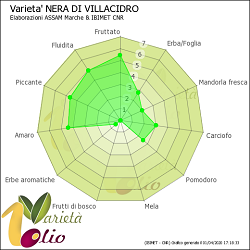
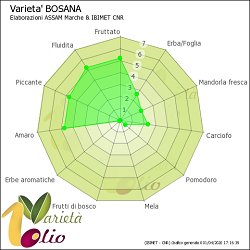
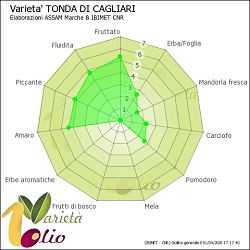
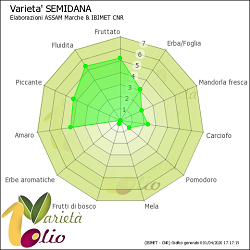
Knowing the sensory and organoleptic profile of each cultivar helps us in the process of pairing food and oil. A pairing will be successful when a complete harmony is created between oil and food, enhancing each other (just as happens with food-wine pairing), and the result will be their mutual magnification. Once the main characteristics of an oil have been identified, through tasting techniques, considerations should be made about the goal to be achieved with the pairing, always with harmony in mind: whether the oil should simply support the dish; whether it should instead sharpen the flavor and make it more persistent; or blend with all the elements without standing out. The choice is yours. Try playing with pairings and find the right oil to enhance your dishes. In the meantime, here are the regional oils that have just received the highest recognition from the Bibenda Oil Guide 2020 (5 drops)
Consult the production regulations at http://www.oliodopsardegna.it/pagine/disciplinare.htm
.png "10 cibi sardi da assaggiare assolutamente a Cagliari")
.png "10 Sardinian Foods You Must Try in Cagliari")
.jpeg "San Benedetto Market Cagliari: The Complete Guide to Sardinia's Most Authentic Food Experience (2026)")