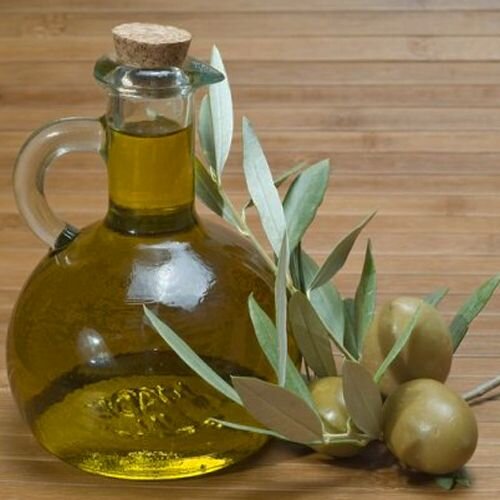
After a decade of commitment in the wine sector, and recently obtaining the qualification of cured meats tasting technician, I am excited to share with you that today I am starting a new training path dedicated to one of the jewels of the Mediterranean diet, namely extra virgin olive oil. In fact, after a long wait, the 1st Course to become an Olive Oil Sommelier has finally arrived in Sardinia. The course is promoted by F.I.S. (Italian Sommelier Foundation) in collaboration with A.I.S.O. (Italian Olive Oil Sommelier Association). The aim of the course is to support the quality of oil through teaching sensory analysis and its pairing with food, just as is done with wine. It is a training course aimed at preparing catering professionals, producers, sellers, enthusiasts, and simple consumers, developing the concept of quality of this product through all its aspects. The cultivation of olives and the production of oil have always been of great interest in our country. Despite this, the concept of quality for this product was not very clear until recently, and organoleptic analysis aimed at describing oil somehow took a back seat. The purpose of the course is precisely to explain and promote sensory analysis, “generating” true experts in the field: Olive Oil Sommeliers. Becoming an Olive Oil Sommelier, in addition to enriching my personal knowledge, will support me in my professional activity. Given the growing interest of tourism in production sites, including oil mills, I will be able to more confidently explain the characteristics of Sardinian D.O.P. Oil and guide visitors into the world of tasting and pairing. The course consists of 10 theoretical and practical lessons, during which there will be guided tastings of over 90 oils chosen among the most significant and educational in the national production scene. During the course, the technique of oil-food pairing is also taught, up to being able to proceed to the final food-oil-wine pairing. The course also includes a “field” lesson with a visit and tasting at an oil producing company; and an educational dinner during which the acquired knowledge will be put into practice with an entire menu to be correctly paired with the oils on the list. Below are the topics that will be covered during the course:
.png "10 cibi sardi da assaggiare assolutamente a Cagliari")
.png "10 Sardinian Foods You Must Try in Cagliari")
.jpeg "San Benedetto Market Cagliari: The Complete Guide to Sardinia's Most Authentic Food Experience (2026)")