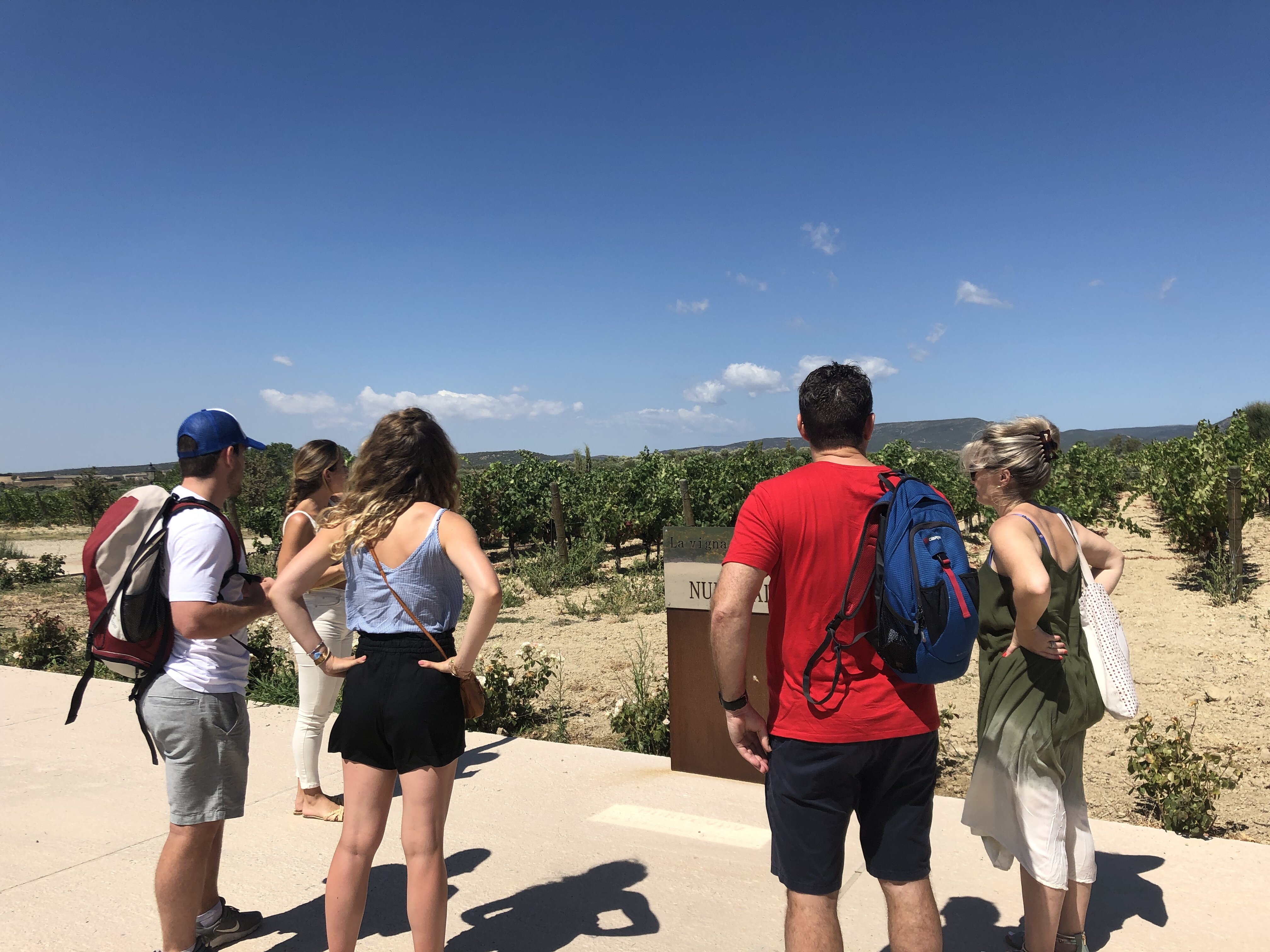
With the development of food and wine tourism, new professions are emerging and spreading, while more traditional professions are enriched with new tasks that require new transversal skills. For example, traditional managers of farm stays, restaurants or trattorias, maîtres and sommeliers, and not least chefs, are transforming into "ambassadors" of food and wine and local culture, and increasingly into storytellers of the territory. Among the emerging figures we have the hospitality manager of agricultural and wine companies, the food and wine destination manager and the food and wine guide. But let's look in detail at the main characteristics of the new professions: This is the figure who is entrusted, in moderately complex organizational structures with a high level of service, with the responsibility for managing and planning all hospitality services, being accountable for their organization, in compliance with previously established standards of quality, quantity, and cost. In the vast majority of Italian wineries, the person in charge of wine tourism performs all functions, but in reality there should be two distinct roles: one for the front office, which is in direct contact with the public, and one for the back office, which acts as the director. The person who serves as the back office coordinator should create products and events, manage commercial, marketing, and communication activities, as well as check the fiscal, administrative, and health compliance of everything related to corporate hospitality. Obviously, this is not always possible, but if the revenue from hospitality activities starts to grow and reach significant figures, it will be necessary to have at least two staff members. Alternatively, the role can be optimized by dedicating oneself exclusively to visits in the summer months (from April to October) and to all control and planning activities in the winter months (from November to March). In the winter months, time can be devoted to participating in industry fairs, contacting the best clients by email, cards, or phone calls; reviewing the website, improving some critical issues from the just-ended tourist season (e.g., improving signage, product displays, etc.), and planning events for the next season.
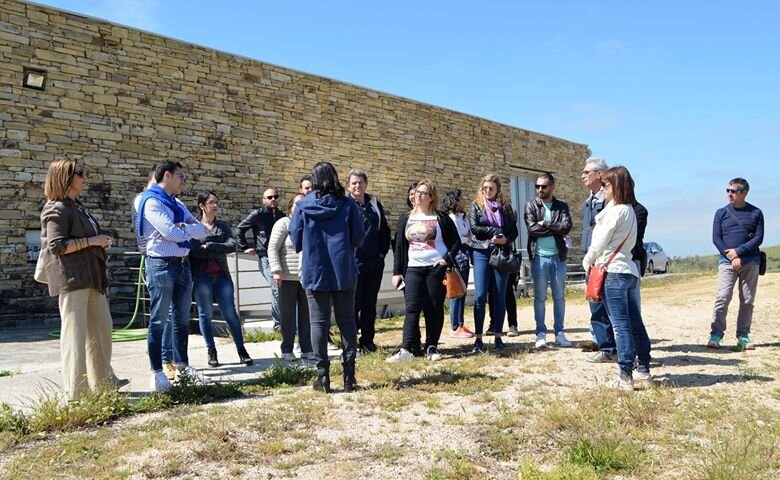
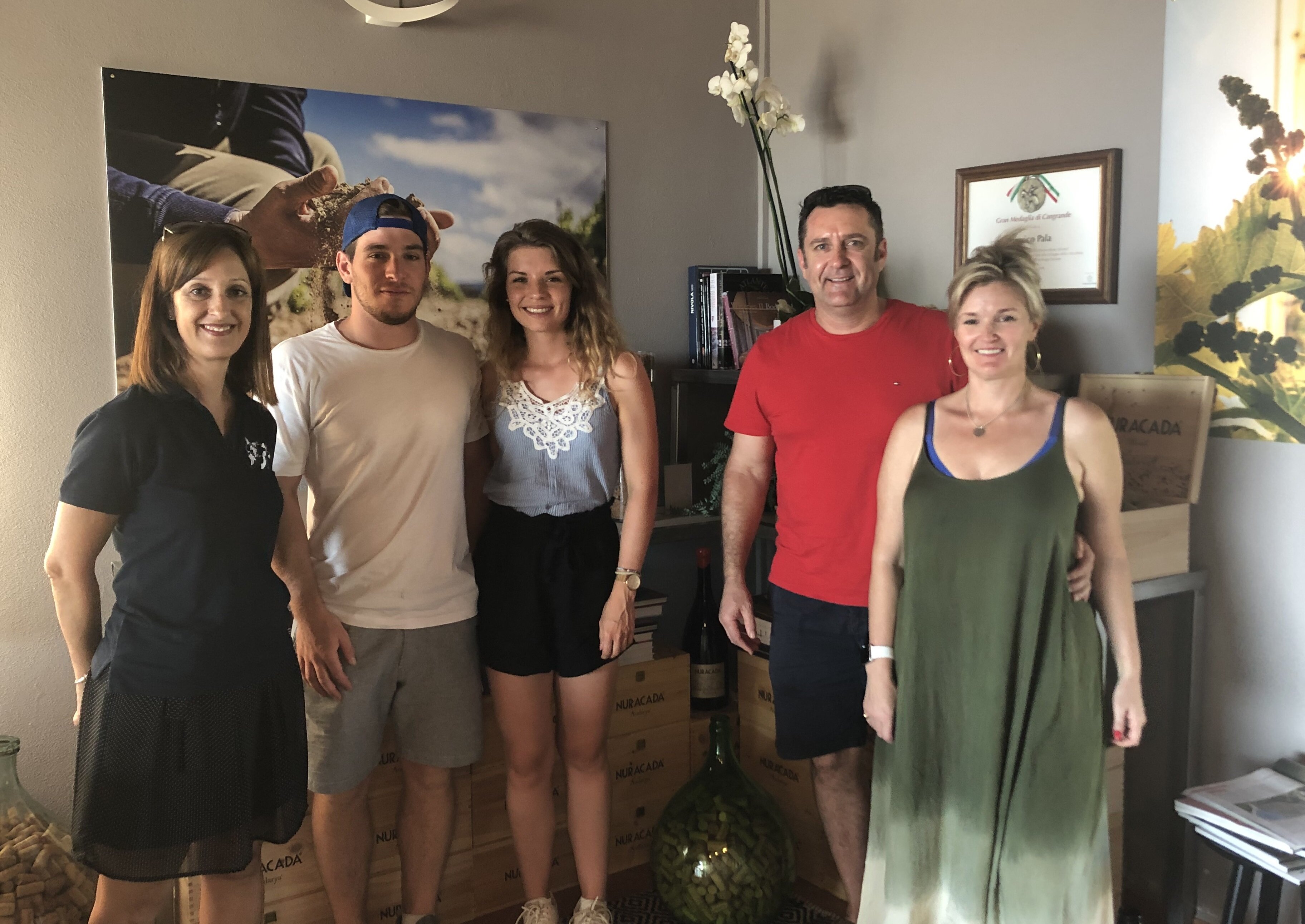
In other words, the low season months, if well used, lay the foundation for the success of the next tourist season. Those who do not slow down during the low season and focus on planning (facilities, commercial, and communication) will be much freer in the summer months The Destination Manager is the person responsible for the promotion and launch or relaunch of tourism in a given area. This figure must optimize the use of available human and economic resources in order to enhance the cultural, environmental, and food and wine peculiarities that constitute the tourist appeal of the destination itself. The Destination Manager is called upon to take on a complex multiplicity of tasks and activities: This is a figure who combines the skills of a sommelier, a tour and environmental guide, and a tour entertainer. The main skills required of a food and wine guide are: The food and wine guide should have the ability to turn emotions into words. Through their voice, they must bring the wine tourist into a world of passions, values, positive sensations, and love for the land and wine. The tone of voice is fundamental to convey emotion. Speaking in a monotone, without pauses or changes in rhythm, is boring, lowers attention, and turns any speech into a lesson. They must also pay attention to overly long silences, as they can be embarrassing and affect the guests' emotional involvement. It is also important to keep body language under control. Facial expression, posture, and body attitude often "speak" more than words. For this reason, one should always try to appear calm and smiling even when feeling irritable or unmotivated. The professional distinguishes themselves from the amateur precisely because they are always able to provide an exciting wine tourism experience to their visitors, not just when they are in perfect shape. The most important tools available are the smile and facial expression. Showing pleasure in welcoming guests, even by going to meet them, is a good start. Having a smiling, engaging, attentive attitude puts guests at ease, and even explanations will be more interesting if emphasized by facial expressions. On the contrary, an expressionless face unsettles interlocutors and makes the verbal message less effective. In essence, it is a job that requires numerous skills and a lot of concentration, but it also offers pleasant encounters and satisfaction. Often tours last all day and include visits to 2 wineries or other types of production companies, a typical lunch, and perhaps a visit to a craft shop. At the end of the day, your guests may become friends, with whom you keep in touch via social media and WhatsApp. Often the following year the guests return to the same place and ask you to accompany them to discover new things, or they recommend their friends to have experiences under your guidance, becoming true ambassadors of your business.
In other words, the low season months, if well used, lay the foundation for the success of the next tourist season. Those who do not slow down during the low season and focus on planning (facilities, commercial, and communication) will be much freer in the summer months
.png "10 cibi sardi da assaggiare assolutamente a Cagliari")
.png "10 Sardinian Foods You Must Try in Cagliari")
.jpeg "San Benedetto Market Cagliari: The Complete Guide to Sardinia's Most Authentic Food Experience (2026)")