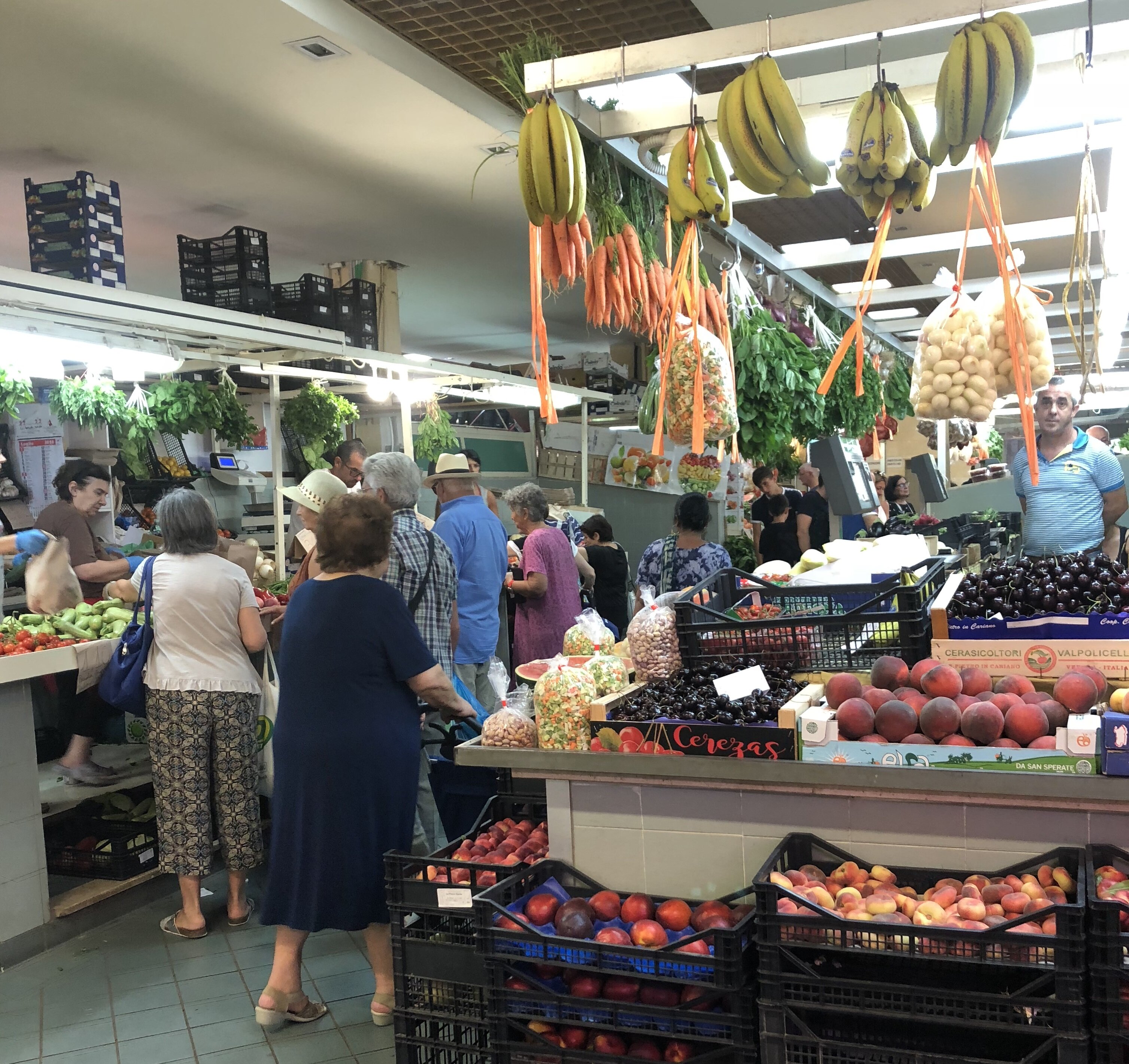
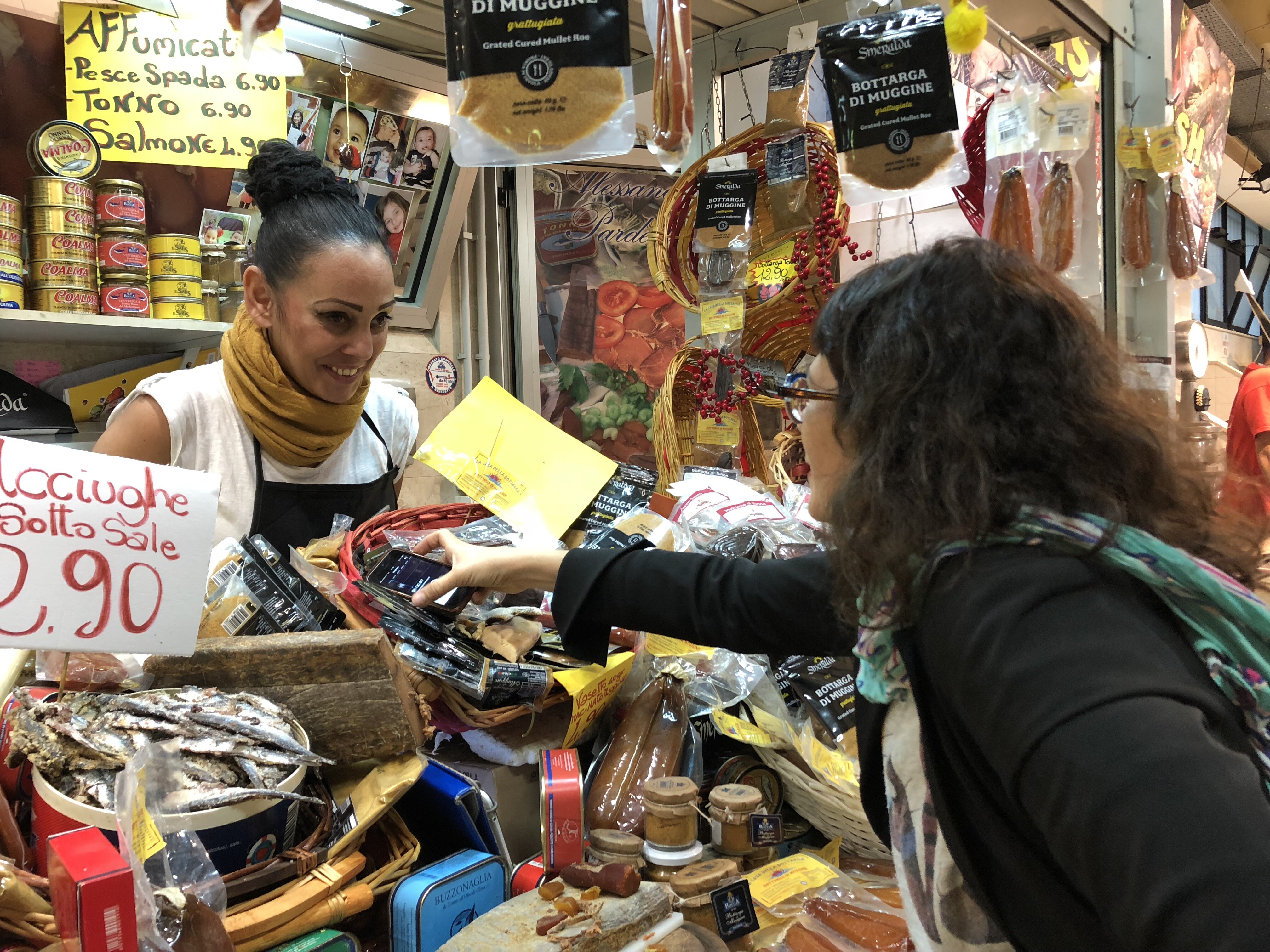
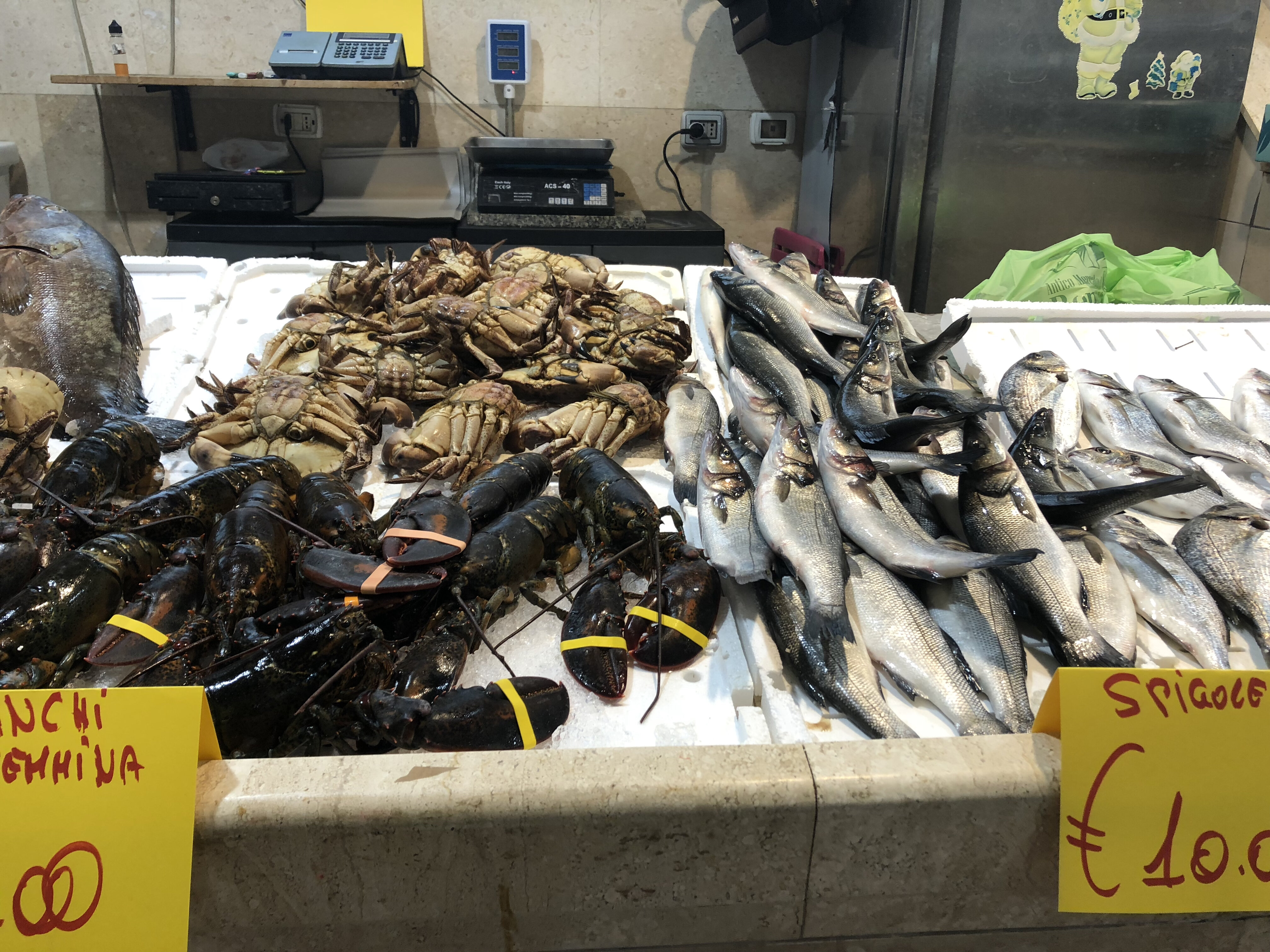
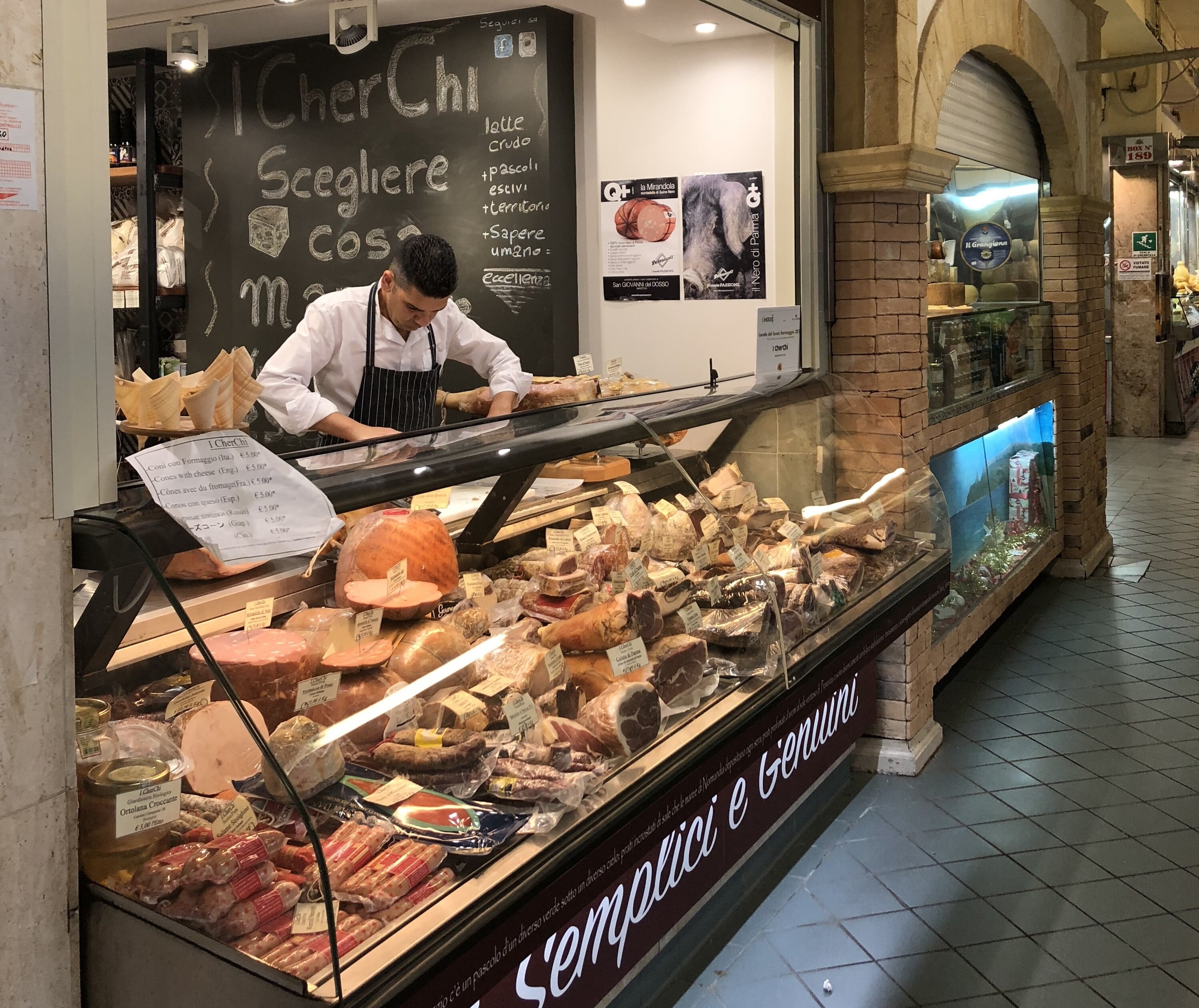
Visiting markets represents one of the most appreciated food and wine experiences for tourists, so much so that it is considered the trend of the moment. This type of experience has seen strong growth in the past year, which shows no sign of stopping. Proof of this are the numerous tourists from various countries (Australia, United States, England, and France, just to name a few) that can be found in our San Benedetto market in Cagliari. They are easily recognizable because they are usually equipped with cameras, often accompanied by local guides, but above all with expressions of joy and amazement on their faces, enchanted by the colors and variety of products displayed on the stalls. But what are the reasons that drive tourists to visit markets? They are certainly lively and cheerful places, capable of engaging all five senses. They are the ideal place to understand both eating habits—what is brought to the table daily—and the social behaviors of a people, that is, how people interact with each other both verbally and through body language. They are also the ideal places to buy fresh products to consume during the holiday (especially if you have the chance to cook) or to take home as a souvenir or as a gift for friends and family (e.g. cheeses, sweets, typical pasta). It is at the market that you can “taste” a territory and come into contact with it. However, it is necessary to distinguish between civic markets and gastronomic markets. The former are certainly more authentic, and the locals go there for their daily shopping; the latter have a more tourist-oriented connotation, as they are places both for purchasing and consuming typical products at the same time. The San Benedetto market has managed to preserve its identity and originality, managing to host numerous tourists even though it is not a gastronomic market. The San Benedetto civic market was inaugurated on June 1, 1957, and replaced the old market that was located in Largo Carlo Felice, in the area now occupied by the Bank of Italy. San Benedetto, with its 8,000 square meters dedicated to sales, making it one of the largest covered markets in Europe, is spread over two levels: the ground floor dedicated to fish sales and the first floor dedicated to the sale of cheese, cured meats, bread, fruit, and vegetables. It is open every day except Sunday, from 7:00 am to 2:00 pm. On Tripadvisor it is listed as number 2 out of 160 things to do in Cagliari. In short, a real attraction! In the city of Cagliari there are other neighborhood markets, perhaps smaller but no less picturesque, which, if properly renovated and enhanced, could become as important as San Benedetto, creating a real tourist itinerary. At the moment, the municipal administration of Cagliari has decided to intervene only on the Santa Chiara civic market, inaugurated in 1957, located in the Stampace district, and the subject of a real relaunch in December 2018. On the portal www.cagliariturismo.it the Santa Chiara market is described as follows: “The Market has recently been transformed into a tourist market and is the subject of a major renovation and redevelopment project, which has transformed it into a center for tourist offerings and a hub for tasting quality food and wine products, also thanks to the presence of staff able to assist customers in English, French, and Spanish.” The aim, undoubtedly courageous and commendable, was to transform it into a gastronomic market, but I believe that this result has not been achieved. The only real novelty was the introduction of a restaurant in the center of the market and the consequent reduction in the number of sales stalls for obvious space reasons. This change is perhaps insufficient to transform a civic market into a gastronomic market, but it can be considered a first step. In any case, the effects of the renovation have not yet produced great results in terms of tourism, in fact the Santa Chiara market is listed on tripadvisor as number 73 out of 160 things to do in the city of Cagliari. To get an idea of a successful gastronomic market, we can refer to the Boqueria in Barcelona. La Boqueria, the name by which it is known worldwide, is the most famous market in Spain and one of the largest in Catalonia with its 2,583 square meters and more than 300 stalls. Where the market now stands, there was once the convent of San Josep, from which the market takes its name. After the destruction of the convent, a large square with an important colonnade was built, and the market was moved among those columns. It was therefore initially an open-air market until it was covered in 1840. The current metal roof was inaugurated in 1914 and in 2000 it was further renovated. Today La Boqueria is not only a market where you can find products otherwise difficult to find, but also a tourist attraction that draws visitors from all over the world. On tripadvisor it is listed as number 6 out of 846 things to do in Barcelona. Another virtuous example is once again in Spain. It is the San Miguel market in Madrid. Inaugurated in May 1916 as a food market, it is one of the few and best examples of iron architecture in the city. In May 2009 it became Madrid’s first gastronomic market and during 2018, the market underwent a period of consolidation of much of its gastronomic content. Located in the center of Madrid de los Austrias and with over 10 million visitors a year, the Mercado de San Miguel is the city’s gastronomic “temple,” the contemporary essence of all the places of origin of Spanish cuisine. On tripadvisor it is listed as number 9 out of 845 things to do in Madrid. Meanwhile, one of the most recently built gastronomic markets, but already famous throughout Europe, is the Markthal in Rotterdam listed by tripadvisor as number 5 out of 164 things to do in the Dutch city. It is a gigantic covered market in the central district of Laurenskwartier where visitors can shop, eat, relax, enjoy the view from the terrace, and park their car indoors. Inaugurated on October 1, 2014, it has 4,600 square meters dedicated to shops and 1,600 square meters dedicated to dining. Open Monday to Saturday from 10:00 am to 8:00 pm, and Sunday from 12:00 pm to 6:00 pm, it represents not only a place of life but also a tourist attraction.
.png "10 cibi sardi da assaggiare assolutamente a Cagliari")
.png "10 Sardinian Foods You Must Try in Cagliari")
.jpeg "San Benedetto Market Cagliari: The Complete Guide to Sardinia's Most Authentic Food Experience (2026)")