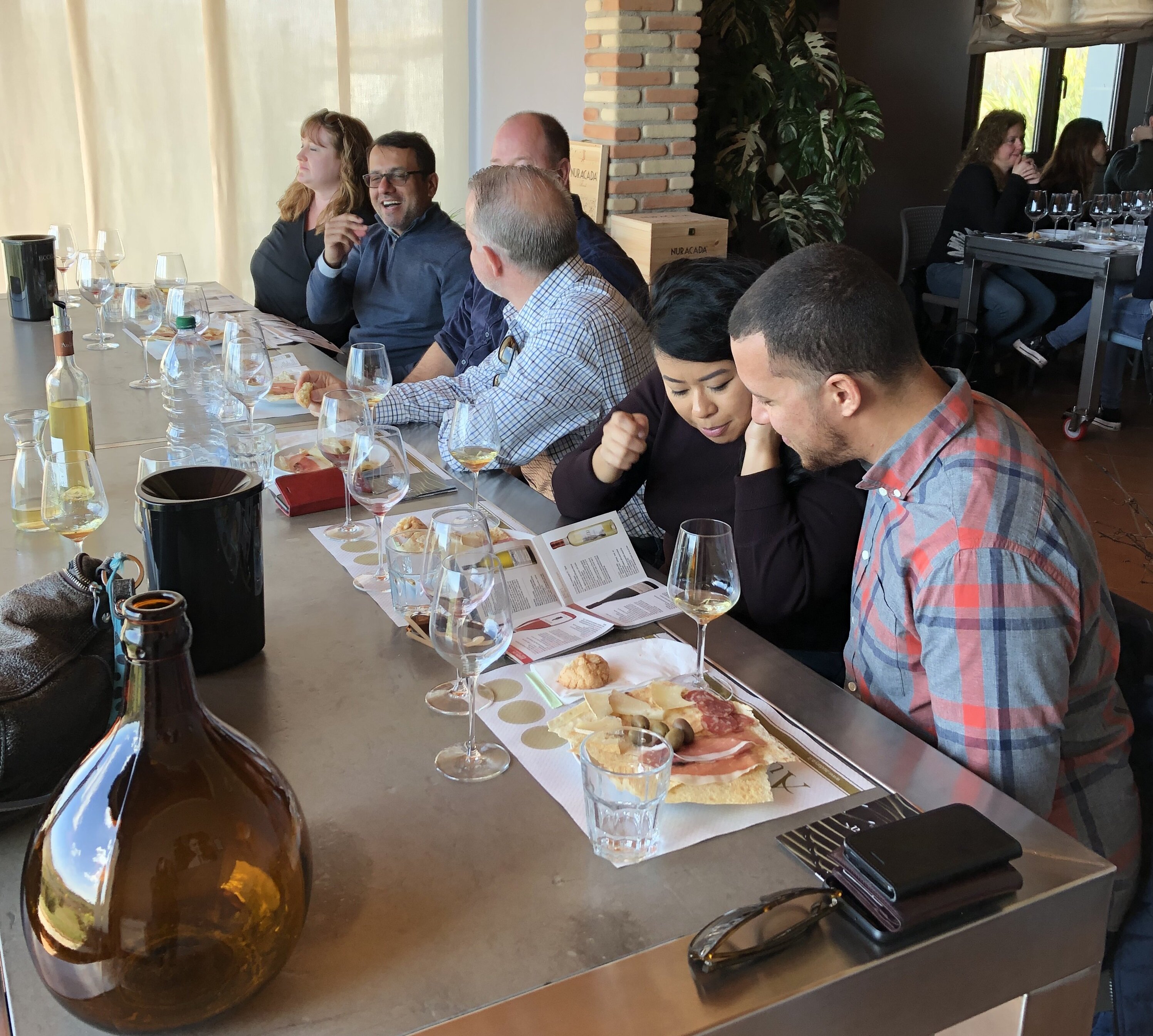
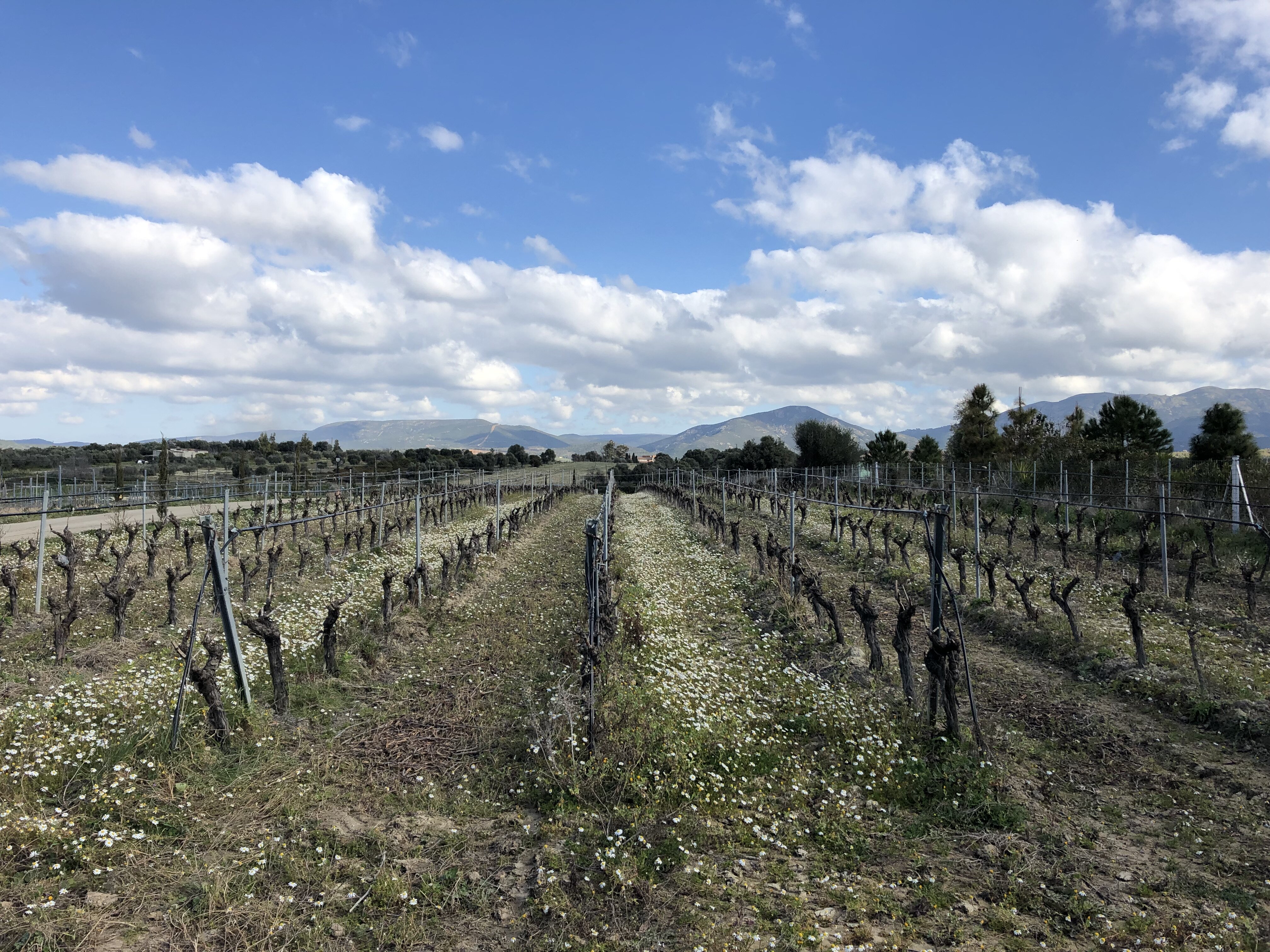
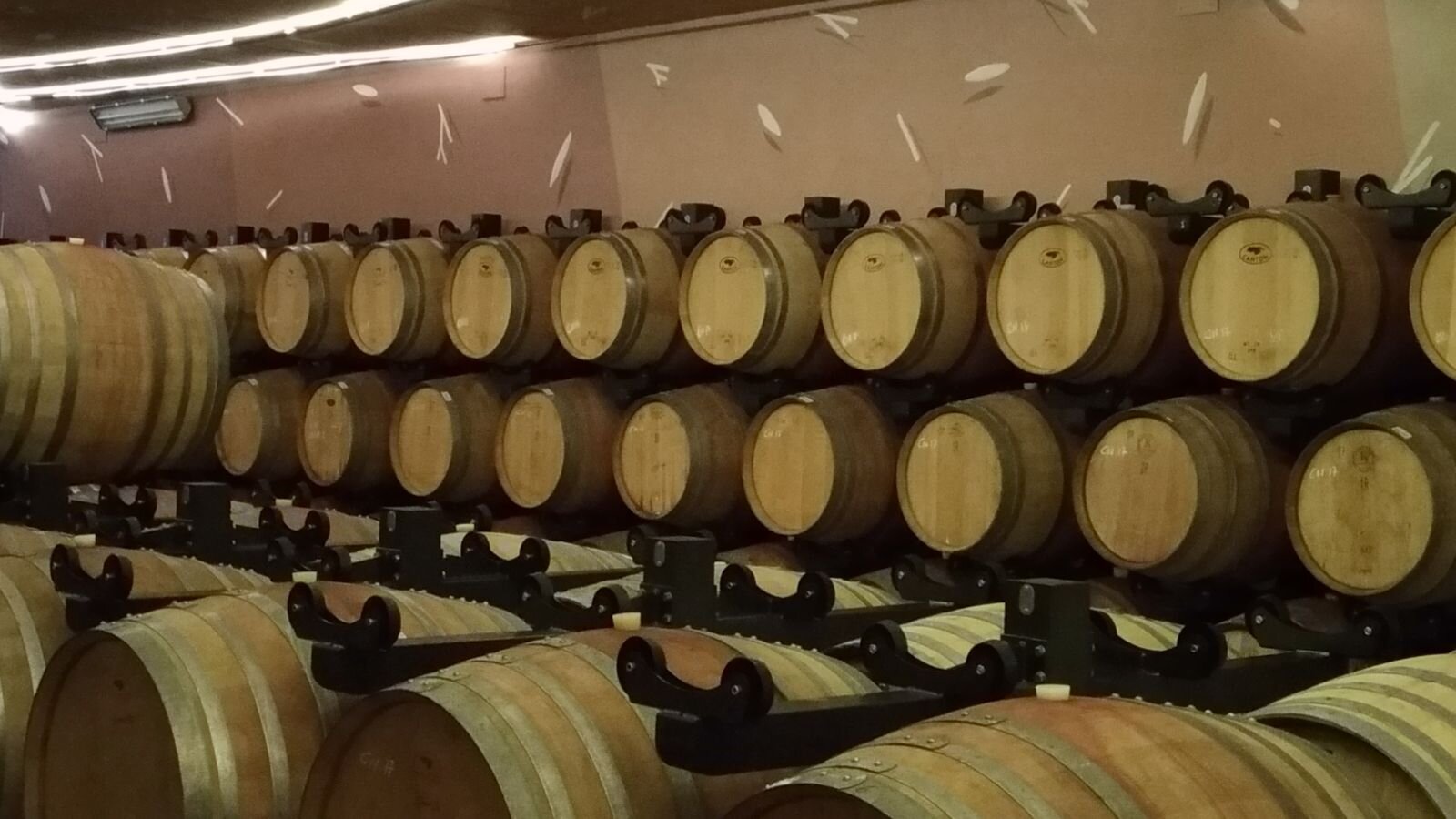
In recent days, on the web and in the major newspapers, articles dedicated to wine tourism have multiplied, as if it were the discovery of the century. It is true that official guidelines on the subject have finally been presented by the government, but in Italy, wine tourism is a dynamic sector that has already been experiencing good growth for several years, and the most forward-thinking wineries have long been complying with all those standards that have now been defined by the legislator as minimum quality standards for its practice. In Sardinia, unlike other regions such as Piedmont and Tuscany where wine tourism has long been established, perhaps we have a bit more work to do. In any case, even in our territory, we have numerous examples of virtuous wineries that have already been working for several years with high quality standards. But what is meant by Wine Tourism? It means traveling to "taste" a place, to discover the very essence of a location. Wine tourism, whose experiential dimension is more pronounced than other types of vacations, can be considered in all respects a form of cultural tourism, because through wine one comes into contact with the culture and traditions of a territory. Wine becomes one of the keys to accessing the culture of the territory. Moreover, wine tourism, unlike other travel activities and attractions, is available all year round, at any time of day and in any weather condition. Therefore, it is a type of tourism to invest in if you want to de-seasonalize or extend the tourist season, as in the case of Sardinia. After years of inaction, the legislator has decided to intervene in the regulation of the matter, also because wine tourism produces a series of economic benefits for our country: • increases revenue and taxes from visitor arrivals; • stimulates demand for exports of local food and beverages. Here is the definition given by the legislator in Law 27 December 2017 No. 205 – Paragraph 502 (better known as the 2018 Budget Law): The term « wine tourism » refers to all activities related to the knowledge of wine carried out at the place of production, visits to places of cultivation, production or exhibition of tools useful for vine cultivation, tasting and marketing of the company's wine products, also in combination with food, educational and recreational initiatives within the wineries. With the Ministerial Decree of March 7, 2019, the “Guidelines and directions regarding the requirements and minimum quality standards for the exercise of wine tourism activities” were approved by the Permanent Conference for relations between the State, the Regions, and the Autonomous Provinces of Trento and Bolzano. In the text of the measure, the requests and proposals put forward at the institutional level by various sector associations were thus accepted. With this measure, the first provisions on the subject already introduced with the 2018 Budget Law, but still unimplemented in the absence of the specific Decree, are finally completed. The Guidelines, contained in Article 2 of the decree, can be summarized as follows: 1. A weekly or even seasonal opening of at least 3 days is recommended, which may include Sundays, pre-holidays, and holidays; 2. Booking tools for visits should be used, preferably digital ones; 3. A sign should be posted at the entrance of the company showing information related to wine tourism hospitality, at least the opening hours, the type of service offered, and the languages spoken; 4. Have a company website or web page (obviously multilingual, even if not specified, and with some sections that should be considered mandatory such as the description of the winery, production philosophy, services offered, various vineyards, and wines produced); 5. The presence of parking at the company or nearby should be indicated; 6. It is desirable to have informational material about the company and products printed in at least 3 languages, including Italian; 7. Display and distribute informational material about the production area, typical and local products with particular reference to products with designation of origin, both in the wine and agri-food sectors, as well as tourist, artistic, architectural, and landscape attractions of the area where the wine tourism activity is carried out; 8. Have dedicated and adequately equipped spaces for hospitality and for the type of activities actually carried out by the wine tourism operator; 9. Presence of staff with competence and training, including knowledge of the characteristics of the territory, including the owner of the company or assisting family members, company employees, and external collaborators; 10. The activity of wine tasting inside the wineries must be carried out with glass goblets or other materials, provided that the organoleptic properties of the product are not altered; 11. Tasting and marketing activities must be carried out by staff with adequate skills and training, including the owner of the company or assisting family members, company employees, and external collaborators. The guidelines may seem difficult to apply and in some cases may require significant financial investments, such as when an area of the winery needs to be properly equipped for tastings. However, I am firmly convinced that wineries that already successfully practice wine tourism can confirm that any investments can be recovered fairly quickly. Wine tourism is growing strongly and there are many tourists who would like to have a winery experience during their holidays. Wine must now be considered a real travel driver. 56% of Italian tourists have visited a winery during their recent holidays and 44% have participated in themed events and festivals. A strong interest, confirmed by many, that goes beyond the simple desire to taste local wines, but translates into the desire to live segmented and innovative experiences. The percentage of foreign tourists interested in this type of experience is even higher (source Roberta Garibaldi). Moreover, numerous international tour operators have already integrated their tourist packages with visits to wineries and tastings of wines and typical products in their Italian destinations in the catalog, confirming the growth of the sector.
.jpeg "Le donne del vino al Vinitaly 2026")