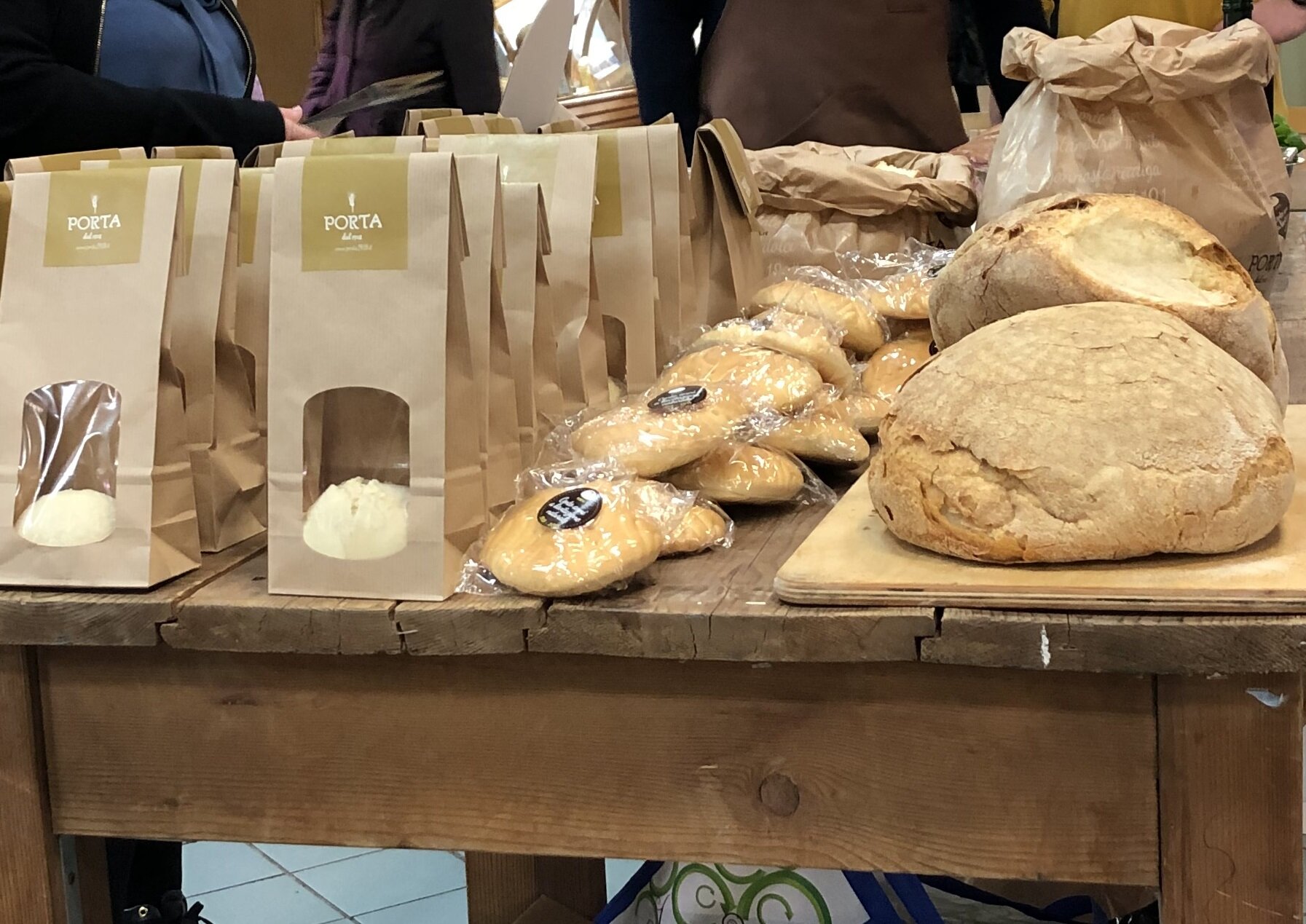
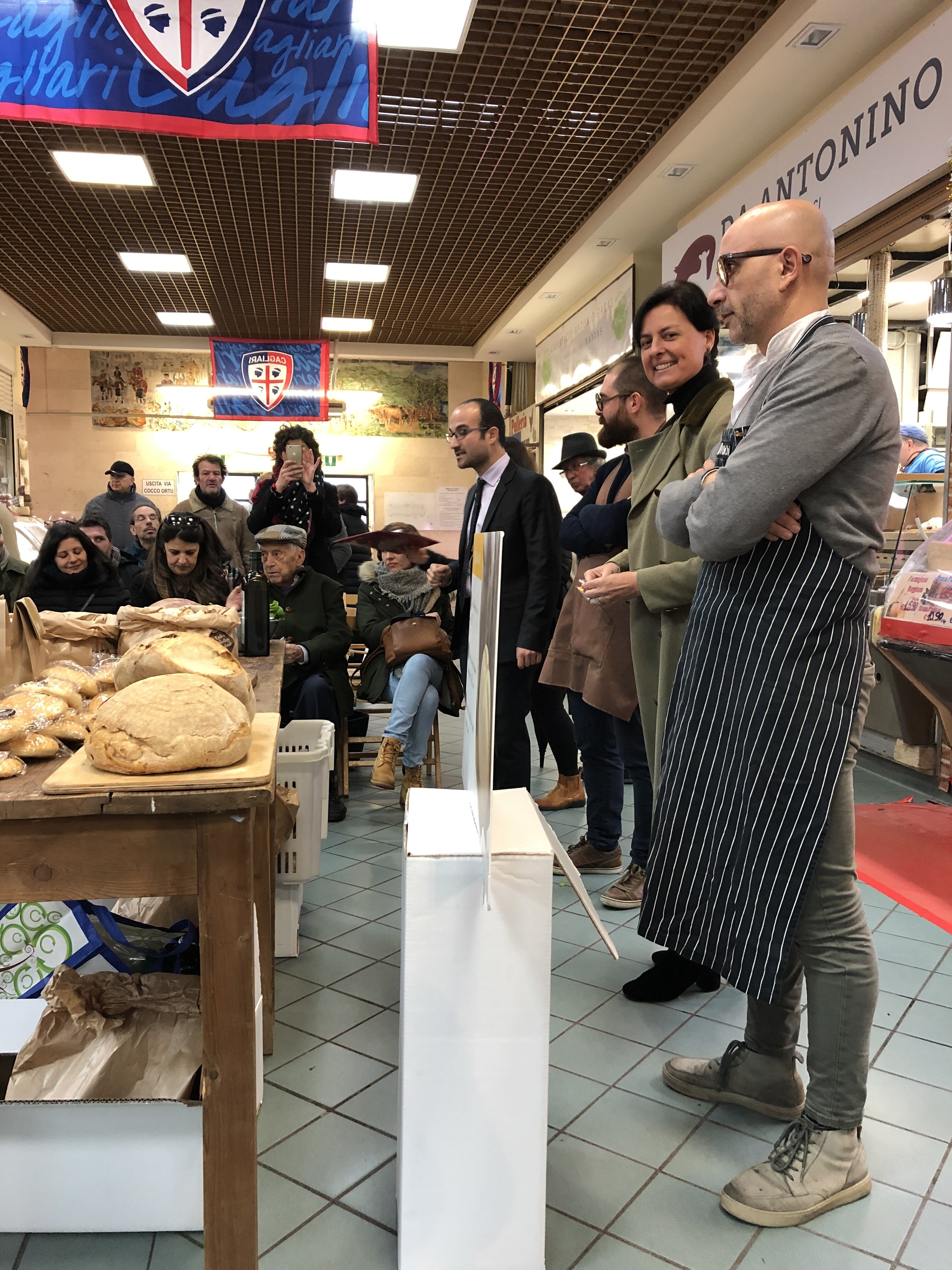
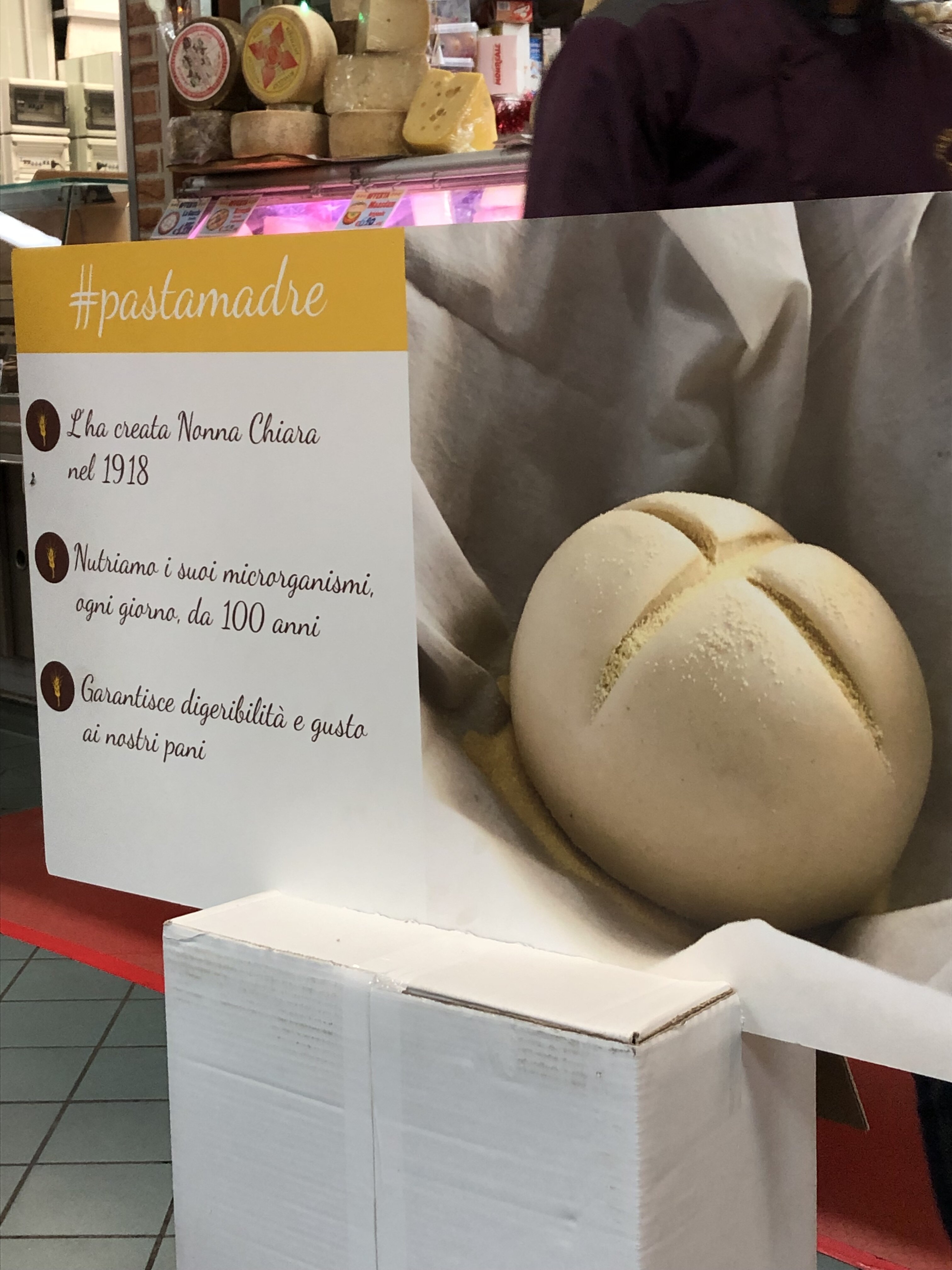
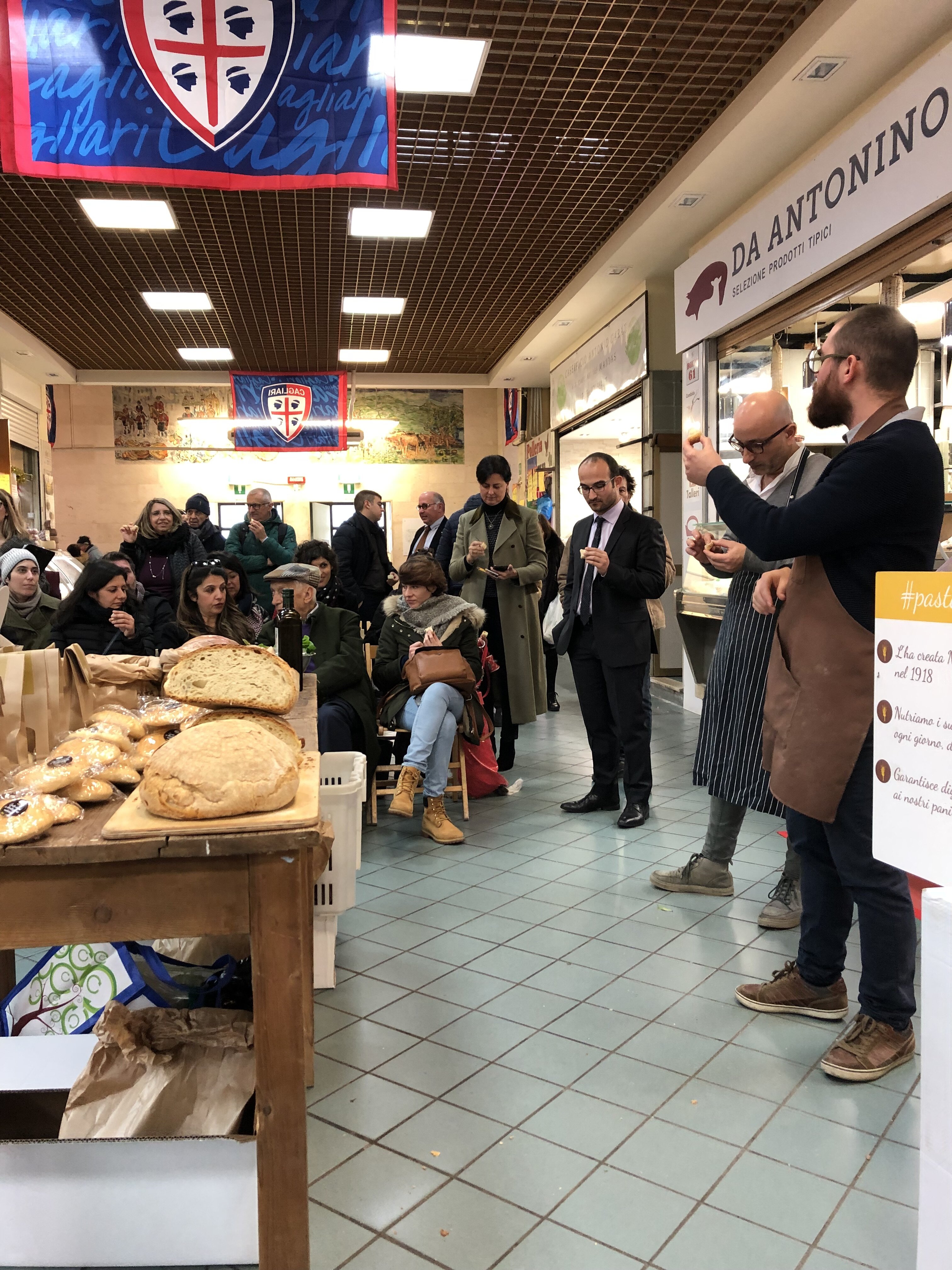
On Thursday, January 31, the fourth and final event dedicated to Le vie del Pane took place, a project curated and developed by Laore, the regional agency for agricultural development, in collaboration with the Ecoistituto Mediterraneo, aimed at enhancing a product that should never be missing from our tables: fresh bread. The day began in the ancient cloister of the Convent of San Domenico, in the Cagliari district of Villanova, which deserves some historical notes to understand its origins and importance. The Dominicans arrived in Cagliari in 1254 and chose the Villanova district to build their convent church at the site of an ancient Benedictine church dedicated to Sant'Anna, later incorporated into the cloister. Initially, it retained the dedication to Sant'Anna, but later the structure was named "Convent of Castel di Castro." Despite the bombings of 1943, which struck the city of Cagliari and after which the structure was completely destroyed, today we can still enjoy this splendid and evocative building thanks to long and complex restoration work. Also during this meeting, as in the previous ones, we started from the historical context to better understand the cultural value of bread. Particular attention was given to the figures of Is Panetteras, that is, the women who preserved the ancient art of bread-making and who had chosen the old Via Oristano in the Villanova district as their headquarters, which until the early 1900s was known as the garden district. Is Panetteras were considered real entrepreneurs, and although there was no guild dedicated to them as women, they nevertheless had a sort of license that regulated their activity. They usually came from outside, from the rest of Sardinia, bringing the art of bread-making and the traditions of other towns to Cagliari. Perhaps this is why there is no traditional bread native to the big city of Cagliari, but rather many breads from all over the island. The last part of the meeting took place at the San Benedetto market with a tasting workshop led by Riccardo Porta of Panificio Porta 1918, a company founded in Gonnosfanadiga, which has been using the same sourdough starter for 100 years, renewed 3 times a day to meet the now significant production. The use of sourdough and natural leavening gives the bread special characteristics as well as excellent digestibility. The bread has a good crumb structure and excellent flexibility, meaning it can return to its original shape even if you squeeze it between your fingers. The smell and taste will have a slight acidity. In the mouth, it will have good chewiness and consistency. The bread will stay fresh for a few days and to bring it back to its initial condition, it will be enough to toast it lightly. The excellent bread in the tasting was expertly paired with local cured meats and cheeses by I Cherchi. At the end of these 4 days, we can undoubtedly say we are enriched not only for having learned more about such a traditional and important product for our diet, but also for having been able to exchange ideas and opinions on the value of bread with industry experts and tourism operators. Now all that remains is to pass on this knowledge to all those who show interest in our cultural and food and wine traditions, organizing engaging experiences to help them discover bread and its secrets.
.png "10 cibi sardi da assaggiare assolutamente a Cagliari")
.png "10 Sardinian Foods You Must Try in Cagliari")
.jpeg "San Benedetto Market Cagliari: The Complete Guide to Sardinia's Most Authentic Food Experience (2026)")